Debed Canyon
Debed Canyon
In northern Arménie, Debed Canyon concentrates UNESCO monasteries, ancient villages and hiking trails 150 km from Yerevan.
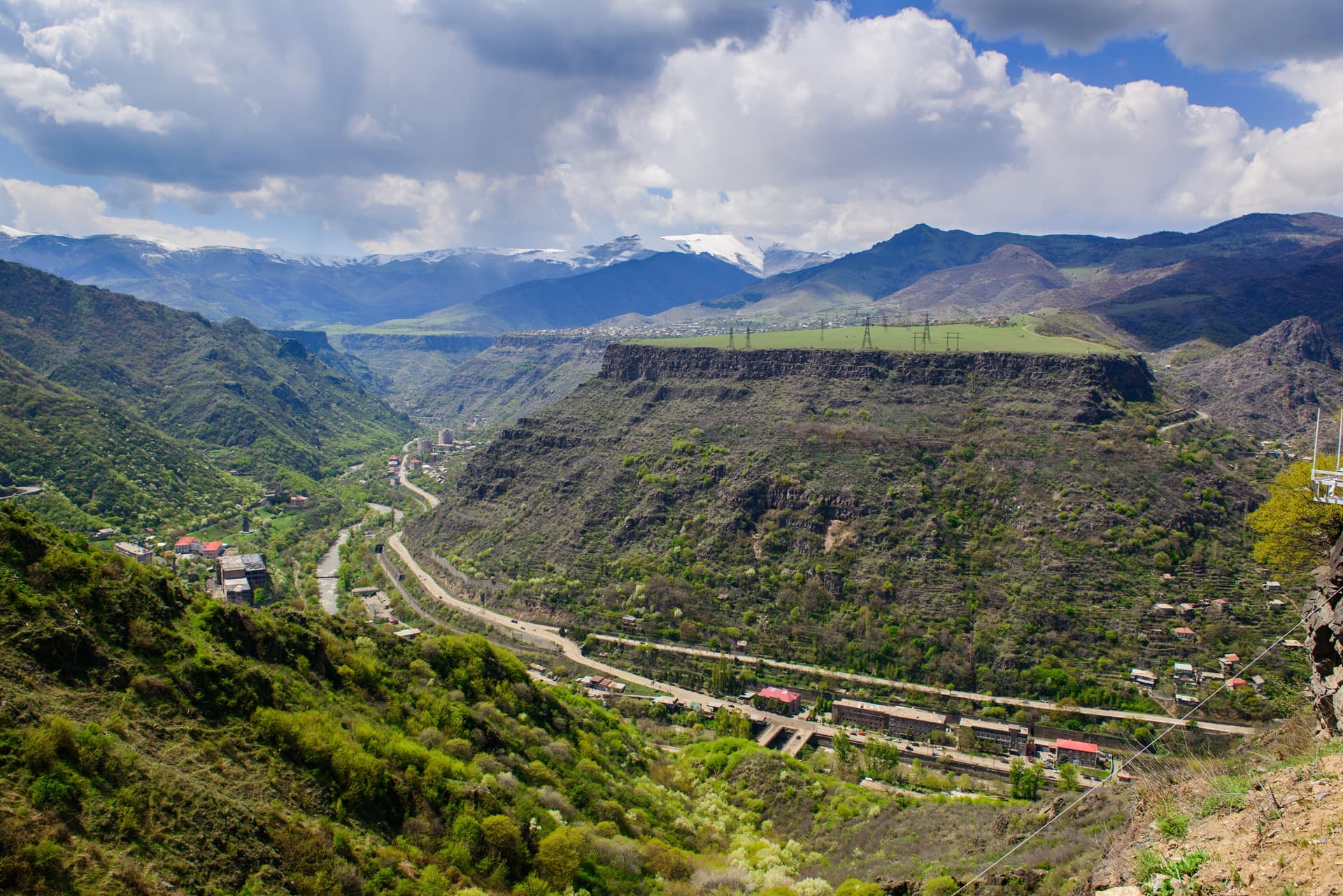
Debed Canyon, or Lori Dzor, cuts through northern Arménie for nearly 80 kilometers, from Vanadzor to the Georgian border. Carved by the Debed River, its walls contain a medieval religious heritage listed by UNESCO, traditional villages and protected biodiversity. It is one of the densest routes in Lori, 150 km north of Yerevan.
Why visit Debed Canyon
The canyon brings together within the same area two monasteries inscribed in world heritage (Sanahin and Haghpat), a 6th-century basilica among Arménie's oldest, hiking trails connecting villages, and the birthplace of poet Hovhannes Tumanyan. The river also offers rafting, and the region remains removed from Yerevan's major tourist flows, making it a complete stop for those interested in Armenian history and mid-mountain landscapes.
History and Heritage
Lori has been a monastic center since the Early Middle Ages. The religious foundations dotting the canyon functioned as active intellectual centers, where monks copied manuscripts and taught theology, philosophy, medicine and music. The region also lived from copper extraction, long exploited at Akhtala, which explains the presence of an industrial town in the heart of the canyon.
According to Christian tradition, Apostle Thomas is said to have passed through Odzun in the 1st century to ordain priests and bishops there. The Basilica of Odzun, built in the 6th century, is also said to house a relic of the Holy Cross that Queen Helena is believed to have offered in the 4th century. These accounts, transmitted locally, are part of the site's religious identity.
What to See in the Canyon
Sanahin Monastery
Accessible from Alaverdi, Sanahin has been inscribed on the UNESCO World Heritage List since 2000. It was one of medieval Arménie's great educational centers, where theology, philosophy, medicine and music were taught. The complex combines churches, gavits, scriptorium and khachkars (carved stelae).
Haghpat Monastery
Also UNESCO-listed, Haghpat is visited as a complement to Sanahin. The two complexes are linked by the Faja Pelay trail, which hugs the canyon's flank and is one of the region's most frequented hikes.
Akhtala Monastery
Erected in the 13th century in the mining town of the same name, Akhtala is renowned for its preserved medieval frescoes. Nearby Kayan fortress completes the visit.
Kobayr Monastery
Near Tumanyan, Kobayr stands on a cliff overlooking the Debed valley. Its partially restored ruins offer sweeping views of the river below.
Odzun and Its Basilica
The village of Odzun is one of the country's largest. It is the birthplace of Catholicos Hovhannes Odznetsi (John of Odzun). Its basilica, constructed in the 6th century, ranks among Arménie's oldest churches.
Dsegh and Tumanyan House-Museum
The village of Dsegh is the birthplace of Hovhannes Tumanyan, nicknamed the "Armenian Shakespeare" for his poems, tales and plays inspired by folklore. His birthhouse has been transformed into a museum (Tumanyan house-museum) dedicated to his life and work.
Vanadzor
Arménie's third city and capital of Lori, Vanadzor serves as the gateway to the canyon. The city hosts an annual wood sculpture festival bringing together local and international artists.
Fauna, Flora and Natural Habitats
The canyon harbors notable biodiversity: Caucasian leopard, lynx, griffon vulture and Armenian tulip are present, though rarely observed. The Debed corridor also serves as a migratory axis for storks, cranes and pelicans. Lori's wetlands are partly protected under the Ramsar Convention.
Activities and Experiences
- Hiking: the Faja Pelay trail between Haghpat and Sanahin, and the descent from Odzun toward Alaverdi by cascades and rock formations, are the two reference itineraries.
- Rafting on the Debed River, available during warm season.
- Camping on the shore of Lake Tsover.
- Horseback riding and biking to connect villages at different paces.
- Khorovats Festival at Akhtala, typically in September, dedicated to traditional Armenian barbecue, free entry.
On the culinary side, local specialties to taste are zhingyalov hats (herb bread), spas (yogurt soup) and gata, a cake filled with nuts or dried fruits.
When to Go
The period from April to October is most favorable: vegetation is dense, trails passable and festivals concentrated in late summer. From November to March, the canyon is often snow-covered and several secondary roads become difficult; it's better to focus on monastery visits accessible from the M6.
How to Get There
The canyon is approximately 150 km north of Yerevan. By the M6 road, allow nearly 2 hours by car or marshrutka. The train from Yerevan takes 3 to 4 hours, with remarkable views along the railway line. On-site, renting a car or using a taxi remains the most flexible option: public transport between villages is irregular.
Nearby
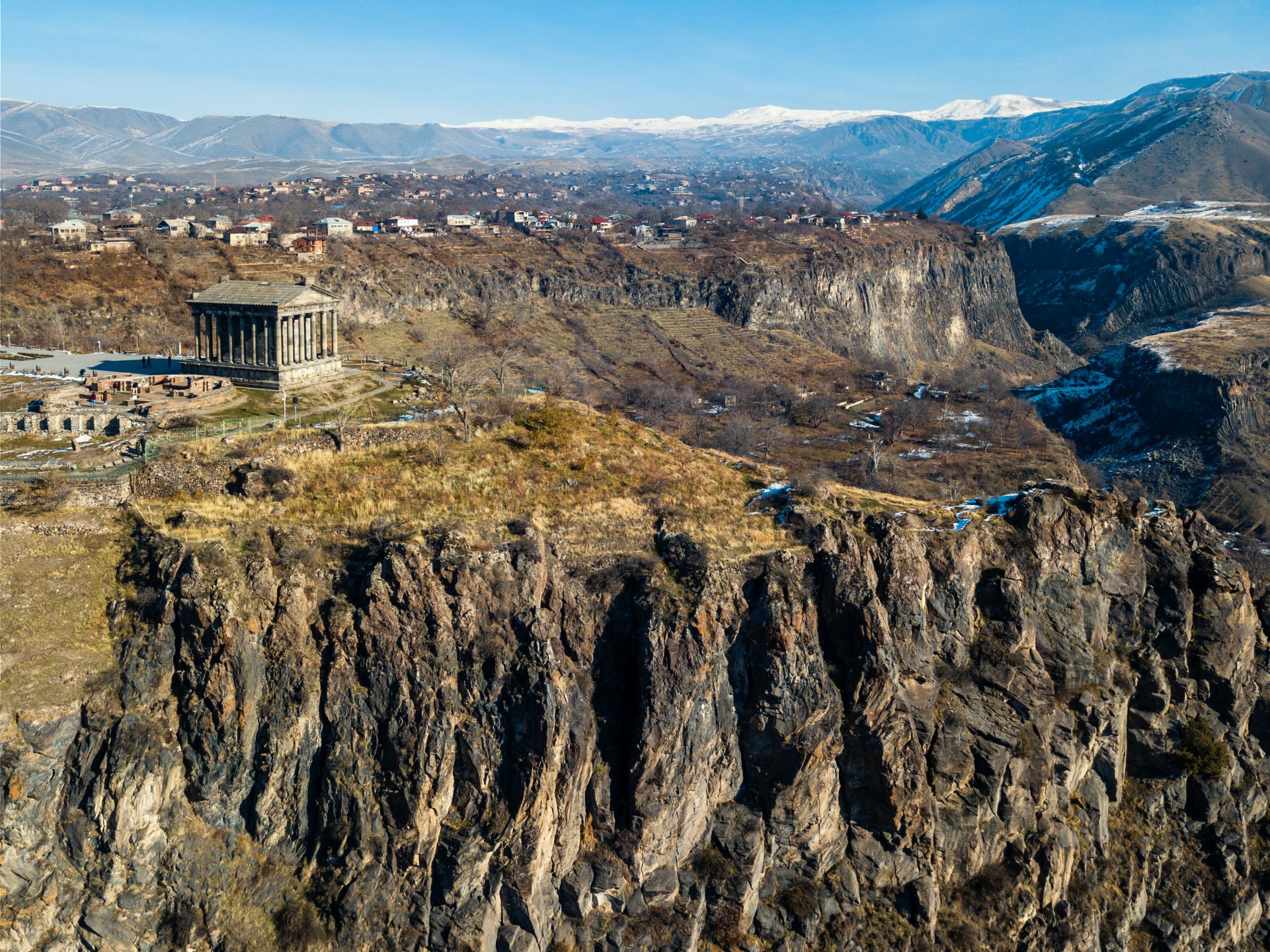
Lori is part of a broader Armenian itinerary. To the south, the Temple of Garni and, in Yerevan, the Armenian Genocide Memorial or the Armenian Alphabet Monument round out the trip's historical dimension. To the northwest, Lake Arpi extends the nature experience in the Shirak region. On the Georgian side, the troglodytic city of Ouplistsikhé is a logical stop for those continuing toward Tbilisi.
Frequently Asked Questions
Frequently asked questions
Two to three days allow you to see Sanahin, Haghpat, Akhtala, Odzun and Dsegh without rushing, staying in Alaverdi or Vanadzor. One day is enough for an overview around the two UNESCO monasteries.
It's possible but tight: 4 hours of driving round-trip adds to the visits. Better to focus on Sanahin and Haghpat, accessible together.
Sanahin and Haghpat are inscribed on the UNESCO World Heritage List. They can be visited on the same day, connected by the Faja Pelay trail.
The main monasteries remain accessible via the M6, but hiking trails and several snow-covered villages are harder to reach. The April to October season is recommended for a complete visit.
Yes: rafting on the Debed, hiking, biking, horseback riding and camping around Lake Tsover, mainly in warm season.
Plan Your Trip
Debed Canyon naturally fits into a northern Armenian itinerary combining UNESCO heritage, hiking and traditional villages. To build a custom itinerary, consult our trips to Arménie.
Interested in this visit?
We can include it in your personalised itinerary.