Ananouri (Georgia)
Ananouri (Georgia)
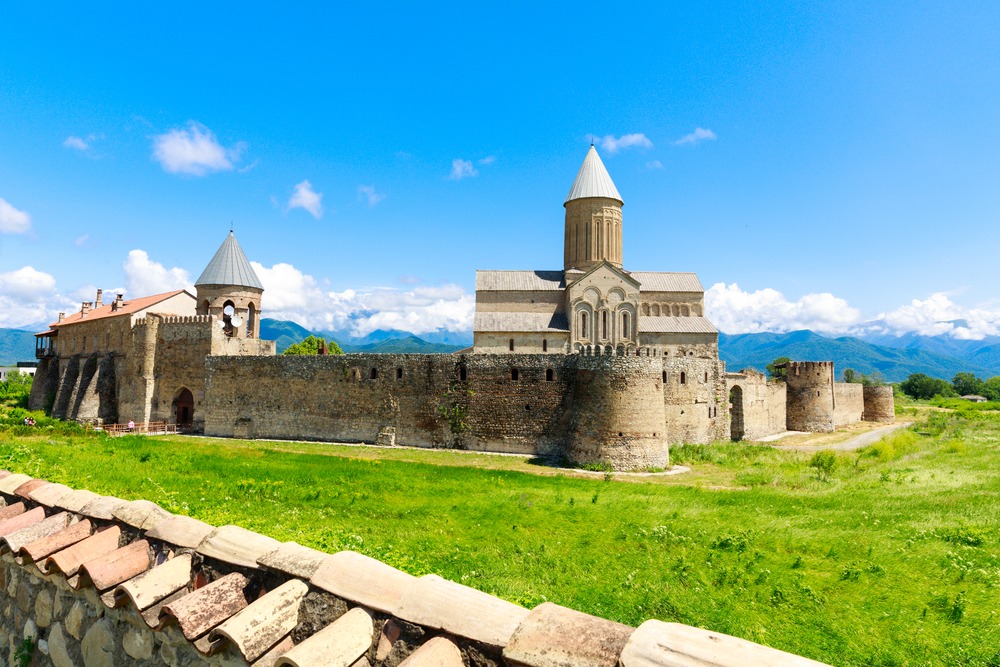
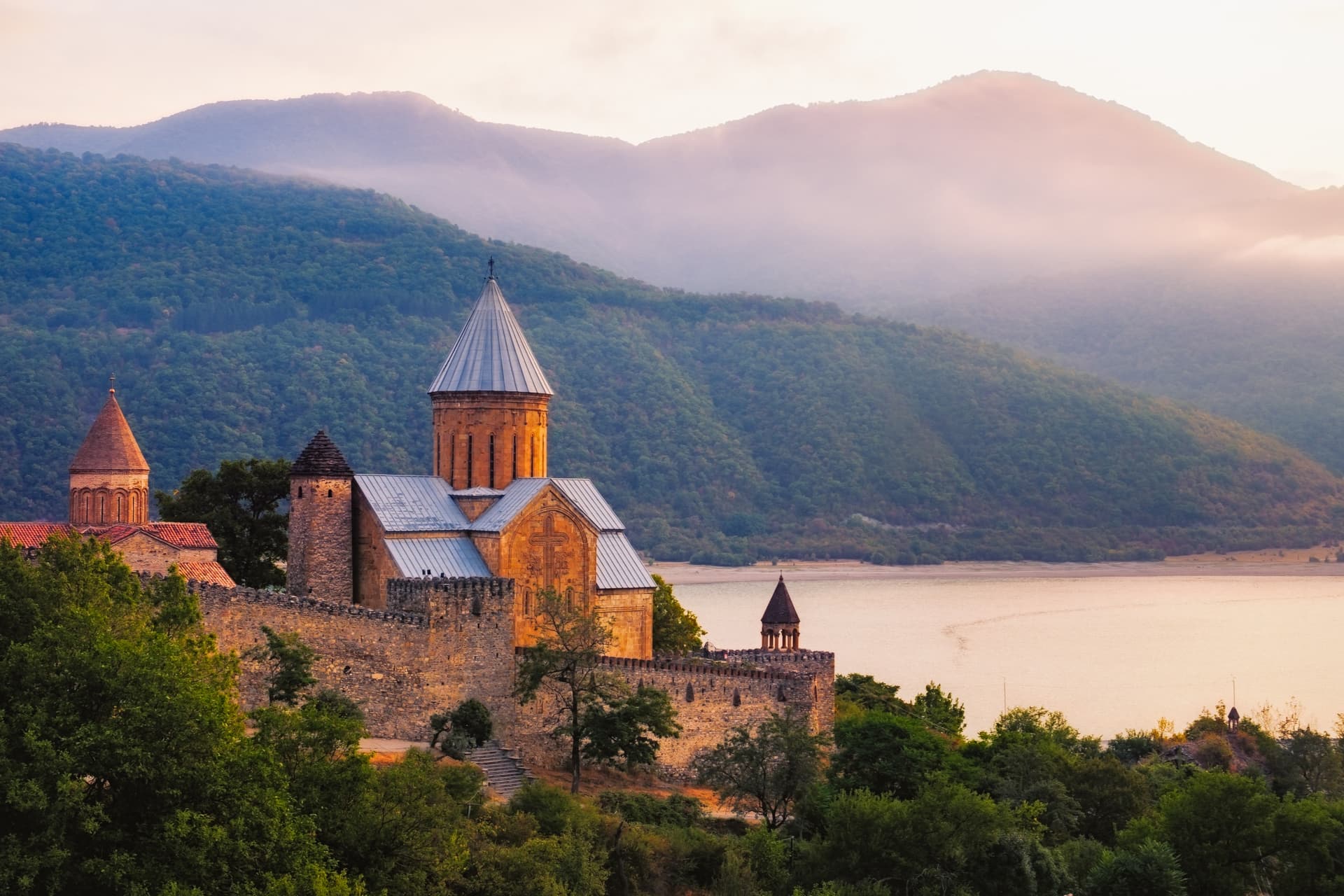
Some 70 km from Tbilisi, Ananouri Fortress stands watch over Lake Jinvali. A UNESCO World Heritage site since 2007, the first stop on the Military Road to Kazbegi.
A must-see destination for any journey through the Greater Caucasus, the fortified complex of Ananouri rises approximately 60 kilometres from Tbilisi, Georgia's capital. Overlooking the stunning Jinvali reservoir, this imposing fortress reveals itself in an exceptional natural setting, bearing the distinction of UNESCO World Heritage status.
A Brief History of the Ananouri Complex
Once the stronghold of the Dukes of Aragavi, the fortress endured a turbulent past before being restored and opened to tourism.
The complex dates to the feudal period between the 16th and 17th centuries. In 1739, it was destroyed and set ablaze by rivals of the dukes—the Chanche of Ksani. The Aragavis were decimated, and the Chanches seized power.
Years later, a peasant uprising struck the Chanches, who were forced to yield their position to King Teimouraz. He too would face a second peasant revolt in 1746.
Throughout its history, the complex served as a place of worship, a gathering point for the nation, and a military fortress.
In 2007, the citadel was inscribed on UNESCO's World Heritage List.
Visiting Ananouri Fortress
Deep within the Caucasus on the shores of Jinvali reservoir, Ananouri Fortress stands proudly like a sentinel of the wild landscape surrounding it. Its walls and towers are reflected in the waters of Jinvali, completing this breathtaking tableau.
Considered one of Georgia's best-preserved historical sites despite the battles and fires it has weathered, Ananouri Citadel is today regarded as a must-visit stop on the "Military Road". This route leading to Kazbegi is celebrated as one of Georgia's most spectacular drives and ranks among the most coveted itineraries for travel in Georgia.
As you enter the site, you discover two magnificent churches and a defensive tower. It is possible to climb one of the towers set into the fortification walls to enjoy magnificent views over the lake and the ruins below. The smaller church is particularly charming and conceals beautifully preserved medieval frescoes.
The Legend of Ananouri
Numerous mysteries and legends surround the fortress, adding to the allure of discovery. One legend offers an explanation for its name, Ananouri. The citadel is said to bear the name of a remarkably courageous woman from Nuri called Ana. She was captured by the Tartar army, who wished to seize the fortress and sought knowledge of the secret passage that allowed Georgians to resupply. Ana was tortured and killed, taking the secret of the tunnel with her. This is why the castle is believed to have been named Ananuri in tribute to this woman, who became a heroine to the Georgian people.
Lake Jinvali
When visiting the Ananouri Monastery, it is impossible to overlook a stop at Lake Jinvali, which itself harbours many secrets.
This large water reservoir now serves to supply water to Tbilisi. During its construction, significant flooding affected the region, destroying many historical monuments. It is said that an ancient church dating to King Tamari lies submerged, and its bell tower is said to become visible when water levels drop. Legend has it that whoever can ring the church bells by diving underwater will have their dearest wishes granted. Believe it or not, many tourists still attempt the experience.
Highly accessible, Ananouri Fortress lies just about 60 kilometres from Tbilisi. Take the E17 highway, which follows the celebrated and exceptionally scenic Military Road toward Kazbegi, and you cannot miss the fortress.
A car park is provided in front of the site so you can park with ease and make the most of your visit.
Want to discover this destination?
Our local advisors design your tailor-made trip.