Goris
Goris
Known as little Cappadocia, Goris is the ideal base for exploring Tatev, Khndzoresk and the troglodytic landscapes of Syunik, in southern Armenia.
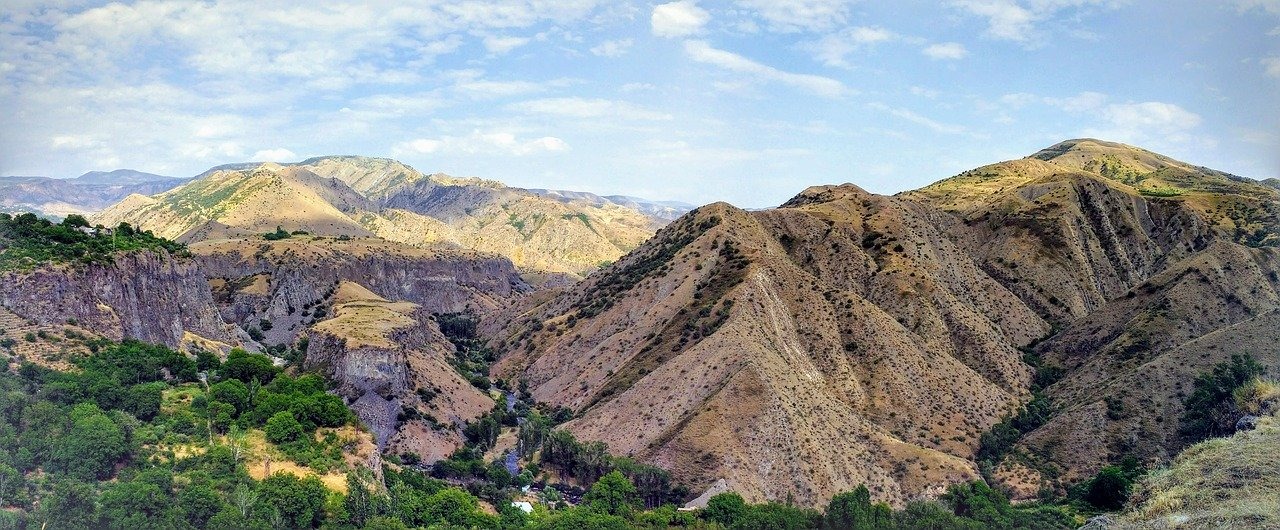
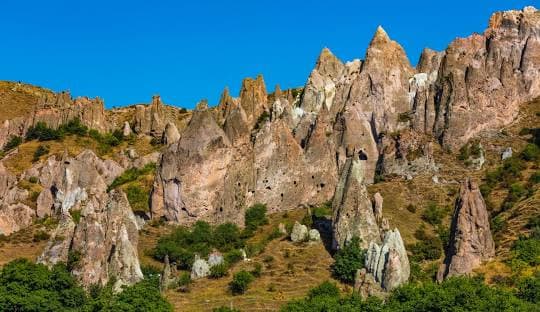
Located in south-east Armenia, Goris is nicknamed "little Cappadocia" due to its unique geological formations and troglodytic dwellings. At the heart of a spectacular natural setting, the city is a genuine historical and cultural crossroads, with unmissable sites such as Tatev Monastery, inscribed on the Unesco World Heritage list. Come and discover this hidden gem of Armenia, where history, nature and culture intertwine to offer you an unforgettable experience.
A touch of history
Originally founded on the left bank of the local river, Goris was partly composed of troglodytic buildings. The city was a strategic crossroads, located on the medieval salt route connecting Nakhchivan and Zangezur to Artsakh and Central Asia. After 1870, Goris expanded onto the right bank, becoming the fourth city of eastern Armenia. It also became the administrative center of the Zangezur district within the Elizavetpol province.
During the Soviet period, Goris distinguished itself through its resistance to Sovietization, led by national hero Garegin Nzhdeh until 1921. This era of struggle for independence is an integral part of the city's history. Goris also retains traces of its past, with nineteenth-century buildings still visible in its downtown area.
Goris today
From the 1950s onwards, Goris experienced moderate development while maintaining its traditional urban layout. Although the city was influenced by Soviet-era construction, it has retained its picturesque character, notably with its distinctive wooden balconies. Today, Goris remains an important military hub due to its proximity to Nagorno-Karabakh, a region that has witnessed tensions and conflicts between Armenia and Azerbaijan.
More recently, in September 2023, Goris played a key role in the Nagorno-Karabakh crisis, hosting large numbers of refugees fleeing the conflict in the region. This highlights not only the city's current military and strategic function.
What to see in Goris?
The city of Goris is brimming with fascinating places that reflect its history, culture and natural beauty. Here are the main points of interest:
- Goris Historical Church: Located at the heart of the city, it is a testament to local religious architecture.
- Alex Bakunts Museum: This museum pays tribute to Armenian writer Alex Bakunts, shedding light on his work and local culture.
- Goris Market: A lively place where you can observe the daily life of residents while admiring local craftsmanship and typical regional products.
- Troglodytic caves: These ancient rock-hewn dwellings, located on the outskirts of the city, testify to a unique millennial way of life in the region.
- Spectacular rock formations: Imposing and mysterious, these natural formations surround Goris and offer unique panoramas to admire.
By visiting these places, you will discover the history, culture and natural beauty of Goris.
What to do in Goris?
Goris offers much more than a simple visit to attractions. Here are some activity ideas to fully experience the city:
- Stroll through picturesque streets: Explore the alleys lined with traditional stone houses and enjoy the peaceful atmosphere of the city.
- Enjoy green spaces: Take a break in the central park or walk along the Vararak River for a moment of relaxation in the heart of nature.
- Hike around rock formations and troglodytic caves: For nature and adventure lovers, explore the trails around these unique structures.
- Discover local flavors: Visit the market to taste fresh products, and end with a meal in a restaurant offering typical dishes such as khorovatz or dolmas.
- Photograph landscapes: Goris offers countless opportunities to capture unforgettable memories, whether from the city or the surrounding heights.
Climate
Goris has a humid continental climate, with cold winters and moderate summers. The average annual temperature is 5.1°C and annual precipitation reaches 983 mm. Snowfall is frequent in winter, while summers remain cool thanks to the city's altitude.
When to visit?
Spring, from April to June, and autumn, from September to November, are the best times to visit Goris, with mild temperatures. Summer can be warm, but remains pleasant thanks to the altitude. Winter is cold, with snow, ideal for those seeking a calm, winter atmosphere.
To reach Goris from Yerevan, several options are available to you:
- By bus: Regular departures are available from Yerevan's Kilikia and North bus stations. The journey takes approximately 4 to 5 hours.
- By taxi: You can opt for a taxi, which is faster and more comfortable, either booked in advance or found directly at the bus station or in the streets of Yerevan.
- By car: Renting a car allows you to drive at your own pace and enjoy the landscapes along the way.
Regardless of your choice of transport, the journey offers superb views of the Armenian countryside.
In Goris, it is recommended to move around on foot to explore local attractions, such as downtown, Saint Gregory the Illuminator Church and the market. The city is small and easily discovered on foot. If you prefer faster transport, taxis are available and affordable, easily accessible from various points in the city.
Must-see sites around Goris
- Old village of Khndzoresk: Explore this troglodytic village with its cave dwellings inhabited until the twentieth century, accessible via a suspended bridge offering stunning views.
- Tatev Monastery: Perched at 850 meters, this spectacular monastery is accessible by the "Wings of Tatev" cable car, one of the longest in the world, with unforgettable panoramas.
- Bgheno-Noravank Monastery: A hidden monastery, ideal for a peaceful stop along the way, surrounded by mountain landscapes.
- Tsitsernavank Monastery: Ancient and recently restored, this monastery is located near Nagorno-Karabakh, offering a unique spiritual experience in a tranquil setting.
Want to discover this destination?
Our local advisors design your tailor-made trip.