Areni
Areni
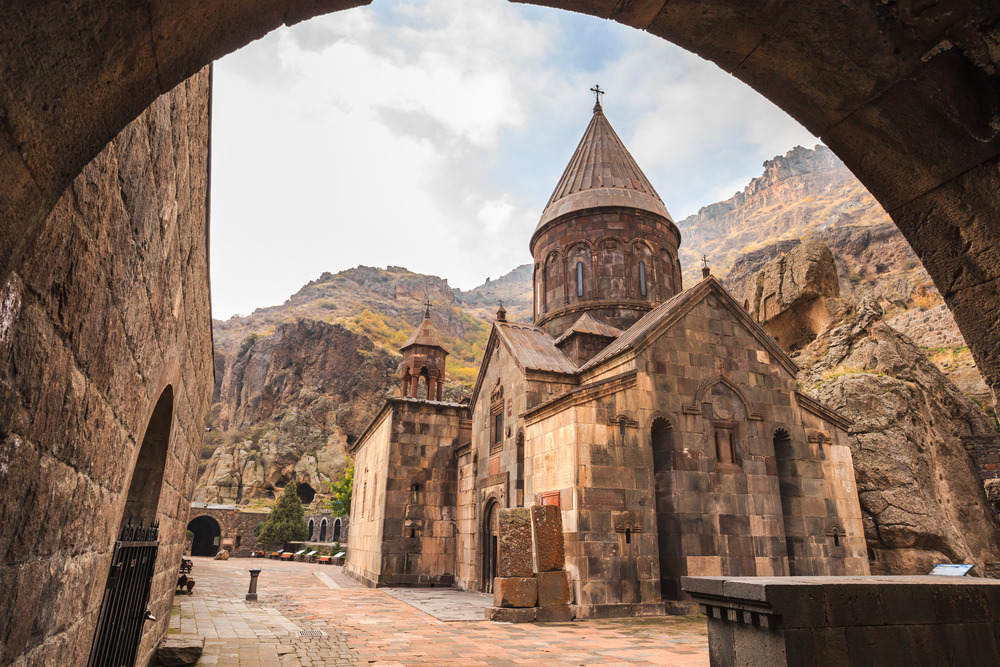
A wine village in southern Armenia, Areni is home to the Areni-1 cave, the world's oldest winemaking site, and serves as the gateway to Noravank Monastery.
Areni is a wine village in the Vayots Dzor region of southern Armenia, situated on the banks of the Arpa River. Its reputation stems from an exceptional archaeological site—Areni-1 cave—where the oldest known traces of winemaking have been discovered, dating back approximately 6,100 years before the present era. The village is home to nearly 2,000 inhabitants and serves as a natural stopover between Yerevan and Noravank Monastery.
Why visit Areni
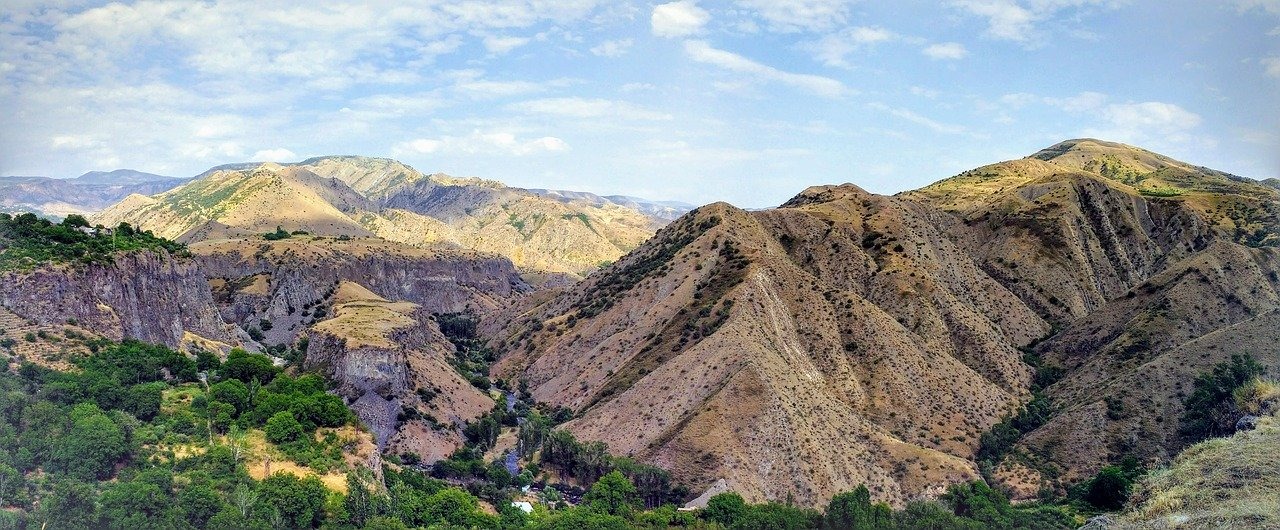
Areni concentrates three major points of interest within a few square kilometers, each justifying the detour: a prehistoric cave excavated by international teams, a 13th-century Armenian church overlooking the valley, and a wine region experiencing a renaissance. The village also serves as the gateway to Amaghu Gorge, which leads to Noravank Monastery. All of this unfolds against a backdrop of ochre cliffs and vineyards, approximately an hour's drive from Yerevan.
History and Areni-1 Cave
Areni's history is largely intertwined with that of Areni-1 cave, also known as Tertchounneri ("Birds' Cave"). Located on the left bank of the Arpa River, this cavern features a stable microclimate ideal for preserving organic matter over extremely long periods—explaining the extraordinary condition of the remains discovered there.
The world's oldest known winemaking site
Excavations conducted in the 2000s and 2010s uncovered a rudimentary wine press, a clay vat surrounded by grape pips and dried vine shoots, as well as drinking cups and bowls. Dated to approximately 4100 BCE, the entire assemblage is today recognized as the oldest known winemaking installation in the world. Areni-1 has thus positioned Armenia at the center of research into the origins of wine.
A ritual function
Part of the cave appears to have served a ritual purpose: skulls of young women were found buried in ceramic vessels, near the winemaking installations. The same cavern also yielded one of the oldest preserved leather shoes, dating back approximately 5,500 years.
What to see in Areni
Areni-1 Cave
The cave comprises three galleries, two of which are connected by passages, with an upper level and basement, spanning approximately 500 m². Part remains closed to the public for research purposes, but a guided tour allows visitors to understand the principal discoveries. Plan for 30 to 45 minutes on site.
The Church of the Holy Mother of God
Built in 1321 by architect Momik, Areni's Surb Astvatsatsin church stands on a promontory overlooking the Arpa Valley. Its sculptural decoration—khachkars (stone crosses) and religious reliefs—exemplifies early 14th-century Armenian architecture. The site is surrounded by medieval tombs and offers unobstructed views of the surrounding landscape.
Noravank Monastery
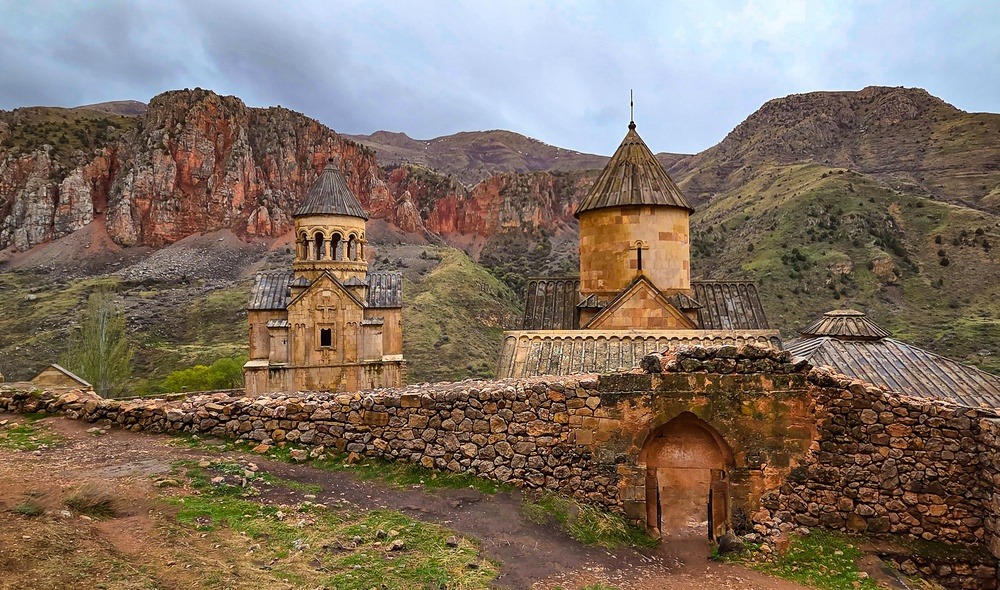
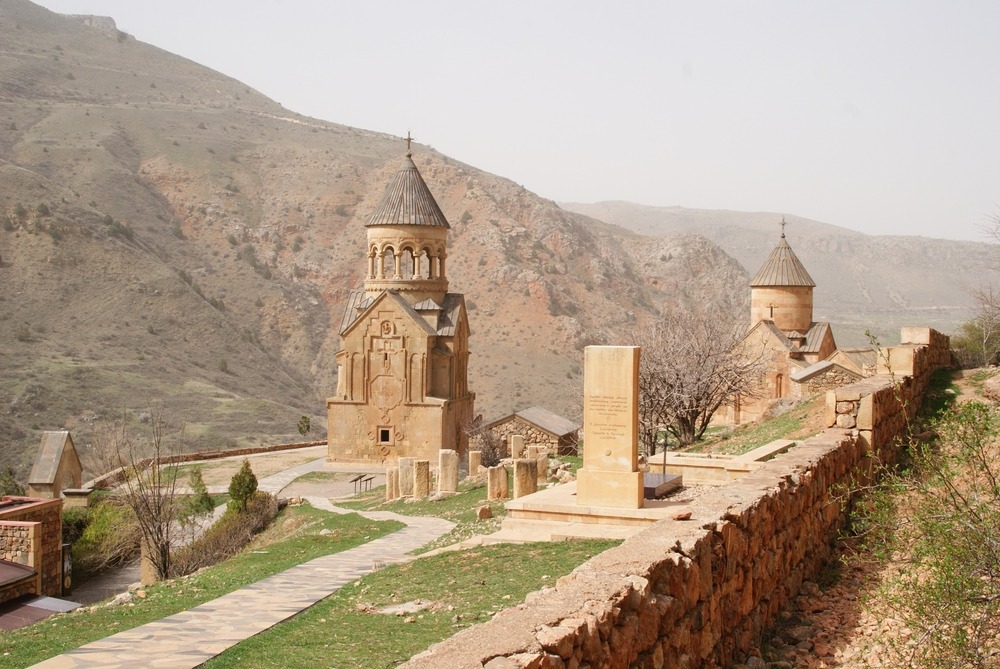
Some ten kilometers southeast of Areni, nestled in Amaghu Gorge, Noravank Monastery is an Armenian apostolic complex built in the 13th and 14th centuries. Its Sourb Astvatsatsin church is renowned for its narrow exterior staircase leading to the first floor. The access road, which winds between red cliffs, is worth the journey in itself.
Areni's Wine Cellars
The village is home to several wine estates open for tastings. The local grape variety, Areni noir, produces distinctive dry reds. The annual Areni wine festival, held in October, brings together producers and visitors around tasting stalls and traditional cuisine.
Practical Information
- Duration of visit: half a day for Areni alone, a full day if you include Noravank.
- Admission fees: modest entrance fee for the cave; wine tastings at prices varying by estate.
- Languages: Armenian and Russian are widely spoken; English-speaking guides are more limited outside tourist facilities.
- Accommodation: guesthouses in the village; more hotels available in Yeghegnadzor (15 km away).
When to visit
Areni experiences a continental climate with Mediterranean influences, characterized by dry summers. The annual average temperature hovers around 13°C, and precipitation remains low at approximately 170 mm per year. The most favorable period extends from May through September, when secondary roads are passable and Amaghu Gorge is accessible without difficulty. October coincides with the grape harvest and wine festival, a particularly appealing time for wine enthusiasts. Winter is colder and snowier, limiting travel and some access routes may be closed.
How to get there
From Yerevan, plan for approximately 110 km via H10, then the E17 / M2 highway heading south, roughly 1.5 hours of driving under normal conditions (not 1 hour, as the route includes mountainous sections). Several options are available:
- Car rental: the most flexible solution, essential for combining Areni, Noravank, and the surrounding wine estates.
- Marshrutka: minibuses connect Yerevan to Yeghegnadzor from Sasuntsi Davit bus station; a local taxi is then needed to reach Areni.
- Organized tour: numerous agencies offer full-day excursions combining Khor Virap – Areni – Noravank from Yerevan.
Nearby attractions
The Vayots Dzor region lends itself to a multi-day itinerary. Nearby, you can reach Lake Arpi in the northwestern part of the country, or incorporate Areni into a circuit that includes the Temple of Garni, Armenia's only preserved Greco-Roman structure. From Yerevan, the Armenian Genocide Memorial and the Armenian Alphabet Monument round out a discovery of the nation's heritage.
Frequently Asked Questions
Frequently asked questions
To incorporate Areni into a comprehensive Armenia itinerary, consult our suggestions for trips to Armenia.
Interested in this visit?
We can include it in your personalised itinerary.