Megerian Carpet
Megerian Carpet
Manufactory, museum and carpet shop in Shengavit district, southwest Yerevan: Armenian knot, natural dyes and collections from the 15th to 19th century.
Megerian Carpet is simultaneously a carpet manufactory, museum and shop located in the Shengavit district, southwest of Yerevan. The complex perpetuates the Armenian knot and vegetable dyes while producing pieces sold on Fifth Avenue in New York as well as in European showrooms. The visit combines weaving workshops, historic collections and an on-site Armenian restaurant.
Why visit Megerian Carpet
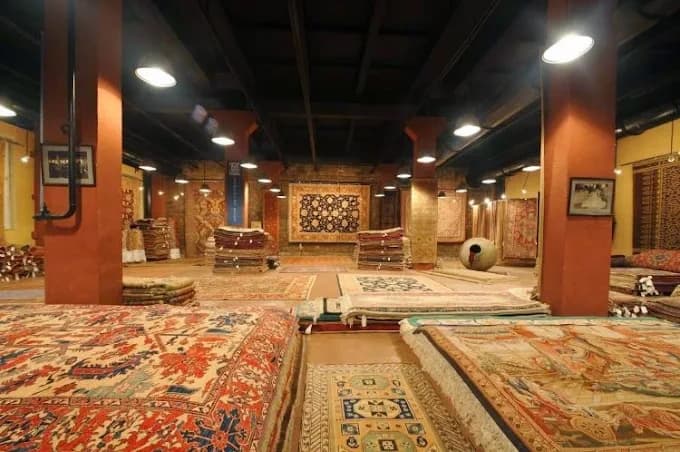
The carpet holds a central place in Armenian culture, and the Megerian family enterprise offers a comprehensive exploration across a single site. You observe the artisanal craft firsthand, understand the chemistry of natural dyes, and explore collections spanning several centuries of textile history from the Caucasus, Persia and Eastern Mediterranean. This combination is rare: few workshops open simultaneously their production, museum and shop to the public.
- Working manufactory with weaving demonstrations
- Museum featuring collections dated from the 15th to 19th century
- Shop and showroom directly connected to the workshops
- Restaurant serving Armenian cuisine within the same complex
The Megerian family history
The Megerian family has been active in carpet production since 1917, initially in the United States where they specialized in restoration of antique pieces. This dual American and Armenian heritage explains the scope of their current network: shops on Fifth Avenue and Brooklyn in New York, in Zurich, plus showrooms in Italy, France, Switzerland and Germany. The industrial establishment in Armenia has developed around a network of 22 factories spread throughout the country, with the headquarters—visitable—located in Yerevan.
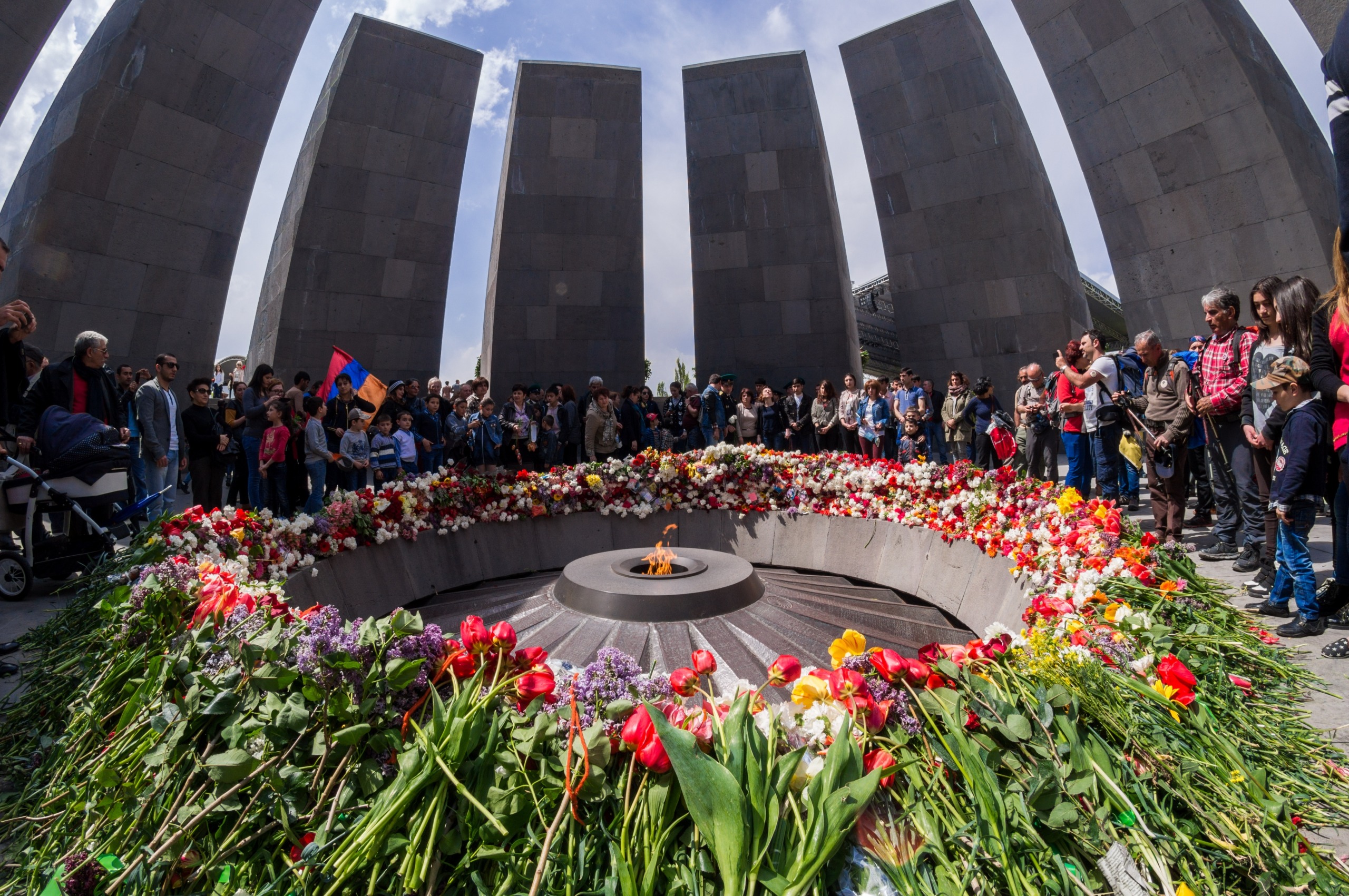
Several carpets displayed in the museum relate to memories of the Armenian Genocide of 1915, either through their patterns or family provenance. The venue has also hosted notable visitors such as Conan O'Brien and Kim Kardashian, who have contributed to its international visibility.
What to see and do on-site
The museum and its collections
The museum route presents antique carpets and reproductions executed in the workshops. The principal collections are:
- Armenian collection: motifs and symbolism specific to the local repertoire
- Tabriz collection: reproductions of Persian Tabriz carpets
- Sultanabad collection: designs inspired by Iranian production from the 17th-19th centuries
- Mamluk collection: Egyptian motifs from the 15th century, the era of Mamluk sultans
- Oushak collection: carpets of Anatolian origin, 18th-19th centuries
- Jewel collection: pieces inspired by Pakistani craftsmanship
The production workshops
The tour passes through weaving areas where you observe the Armenian knot, a technique that distinguishes Caucasian production from Turkish and Persian knots. The threads used are wool or silk. Dyeing is executed with natural materials: cochineal for intense reds, madder root for warmer reds, indigo for blues. This palette gives the carpets their characteristic aging, more stable over time than synthetic dyes.
The shop and restaurant
The shop offers current production pieces as well as collector carpets. The Armenian restaurant integrated into the complex allows you to extend your visit with a traditional meal, practical for those arriving from afar and wanting to avoid returning downtown for lunch.
Practical information
The address is 9 Madoyan Street, in the Shengavit district. A visit to the workshops and museum typically takes between 1 and 2 hours depending on your interest. Guided tours are recommended to understand the techniques and collections: inquire at reception about available languages for your visit day.
- Opening days: Monday to Saturday, closed Sunday (daytime hours)
- Admission: paid entry, moderate range for guided tour
- Photography: generally permitted in the museum, confirm in the workshops
How to get there
Shengavit is located southwest of downtown Yerevan. From Republic Square, allow about twenty minutes by taxi depending on traffic. Local ride-sharing apps work well and remain economical. Buses and minibuses (marshrutkas) serve the district but require some local knowledge to identify the right line; asking your accommodation to write the neighborhood name in Armenian facilitates the journey.
What to see nearby
Megerian Carpet combines well with a day centered on Yerevan and its immediate surroundings. Before or after your visit, you can extend with:
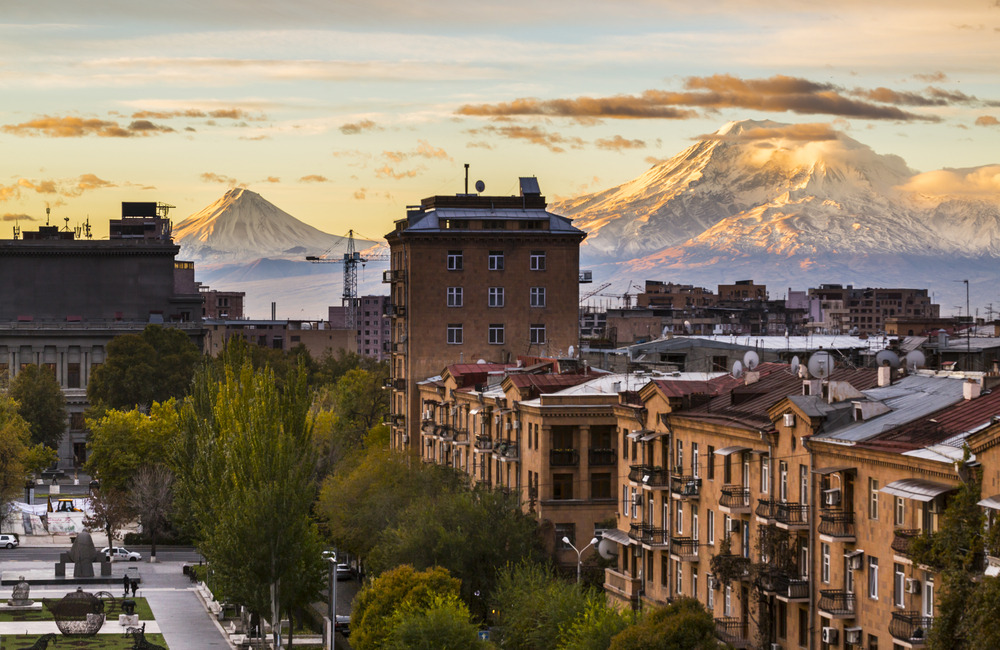
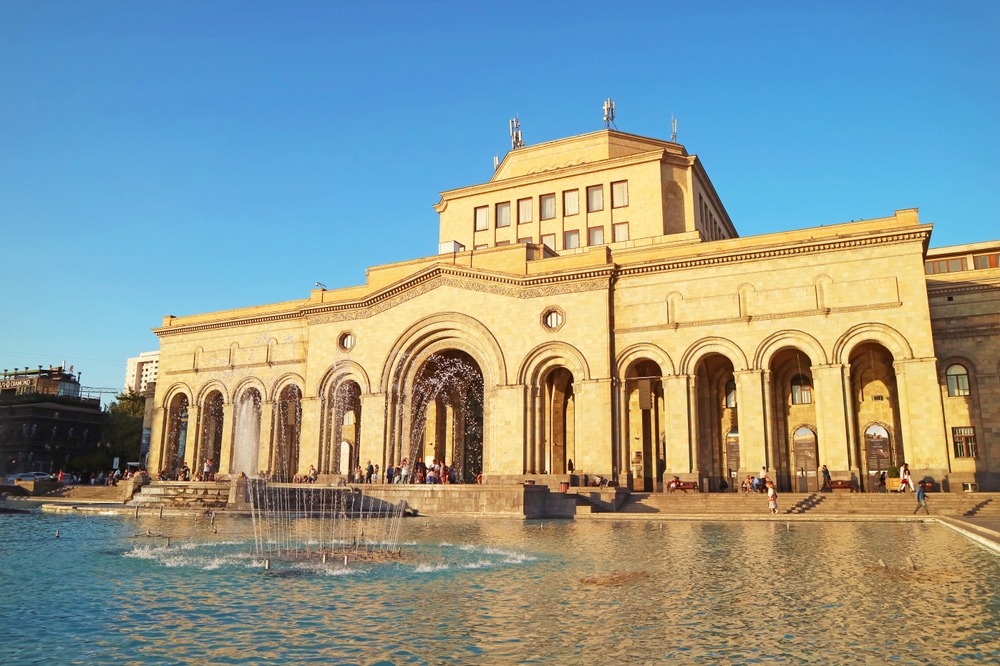
- Yerevan: Republic Square, Cascade and downtown museums
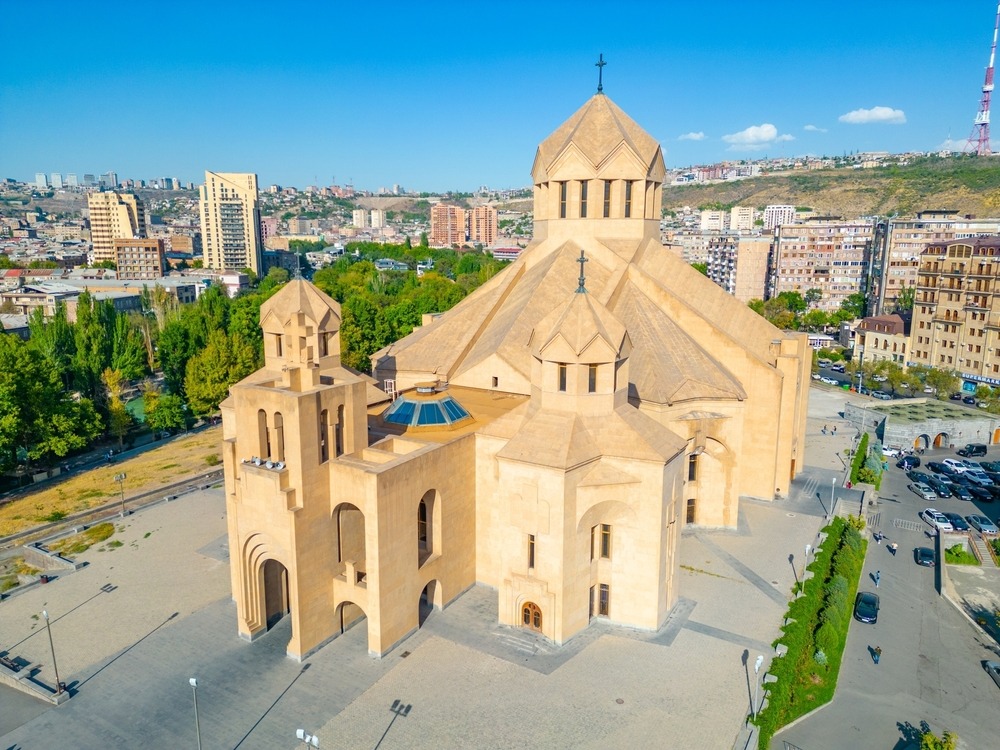
- Saint Gregory Cathedral: the largest Armenian cathedral in the capital
- Karmravor Church: small 7th-century church in Achtarak
- Areni: wine region to the south, famous for its prehistoric cave
Frequently asked questions
Frequently asked questions
Plan your trip
Megerian Carpet integrates easily into a Yerevan stay, whether as a cultural stop or part of a broader Caucasus itinerary. To build an itinerary combining craftsmanship, monasteries and landscapes, consult our Armenia travel suggestions.
Nearby
Interested in this visit?
We can include it in your personalised itinerary.