Mount Ararat
Mount Ararat
A dormant volcano at 5,137 meters, Ararat is best viewed from Armenia and climbed from the Turkish side. Biblical legend, high-altitude trekking, and Armenian national symbol.
Climb Mount Ararat for an adventure that is both cultural and spiritual. It's the unmissable destination for hiking enthusiasts and those seeking spectacular landscapes. Head to far eastern Turkey for an extraordinary escape. Ready to walk in the footsteps of Noah's Ark? Let's go.
Eruptive History
Mount Ararat is today considered a dormant volcano. It has experienced several periods of activity over the centuries. On its northwestern flank, pyroclastic flows buried objects and human remains dating from approximately 2500 to 2400 BCE, during the early Bronze Age. Around 550 BCE, the volcano again showed signs of activity on its northern flank, at higher elevations.
The last documented eruption occurred on June 20, 1840 (July 2 by the Gregorian calendar). It triggered a violent earthquake around the Ahora Gorge and unleashed lahars that shook the region for several days before subsiding in September.
What Legend Tells Us
According to Christian and Armenian tradition, this mountain is where Noah's Ark finally came to rest after the Flood. The story tells how, at that time, God decided to submerge humanity, which He deemed corrupted, but entrusted Noah with a unique mission: to preserve life. Following His instructions, Noah built a great ark for his family and for pairs of animals of every species.
When the waters finally receded, the Ark touched ground on the heights of Mount Ararat. From that moment on, the mountain has been linked to this foundational narrative, a symbol of survival and renewal, witness to the birth of a world coming back to life after catastrophe.
Discovering Mount Ararat
Mount Ararat rises to 5,137 meters. It is the highest peak in the country. It attracts hikers and visitors eager to explore varied landscapes.
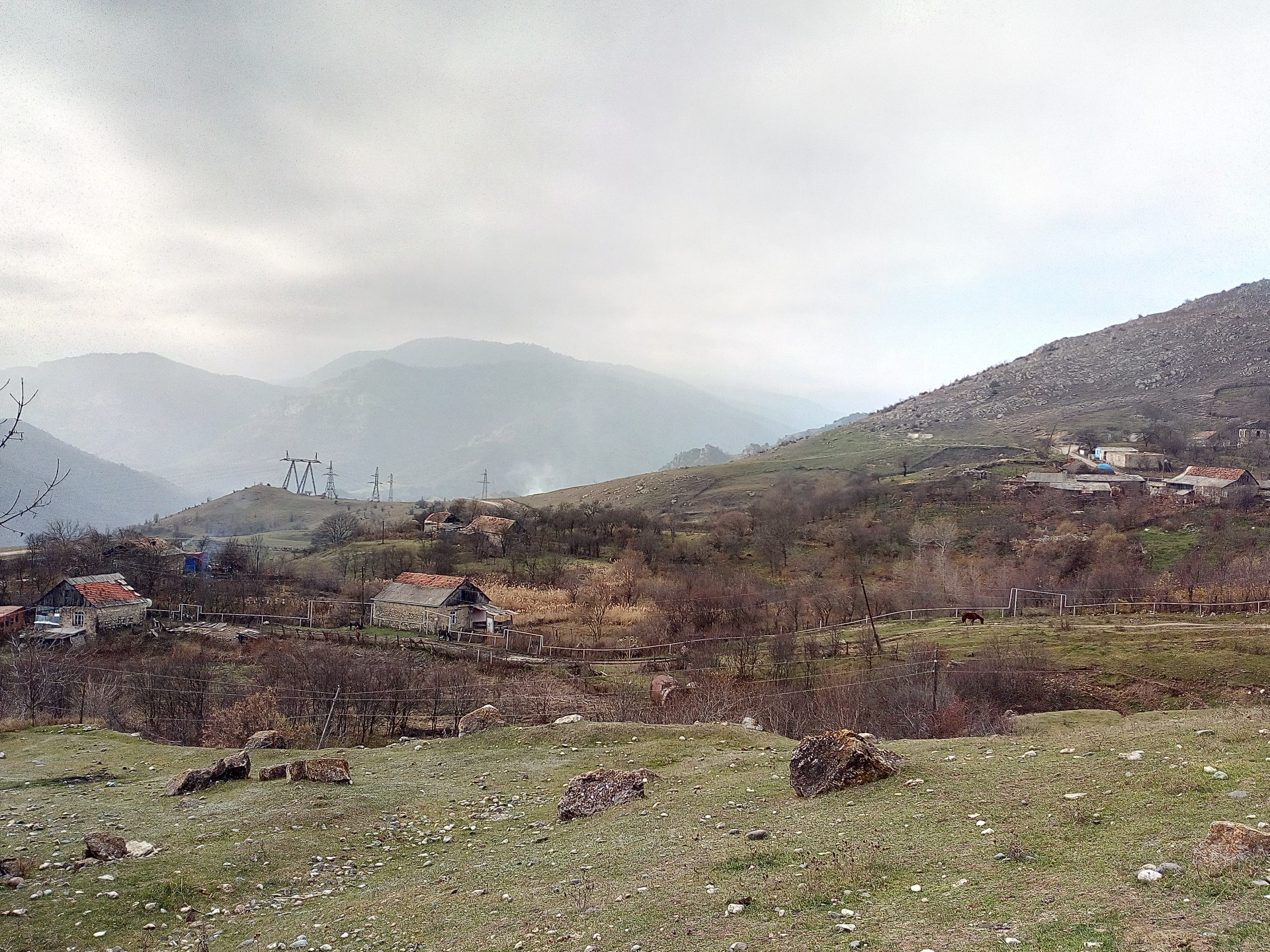
The trails traverse wild plains and isolated territories, with preserved mountain culture centered on transhumance and local craftsmanship. Crowned with perpetual snow, the summit dominates the panorama and remains visible throughout the climb.
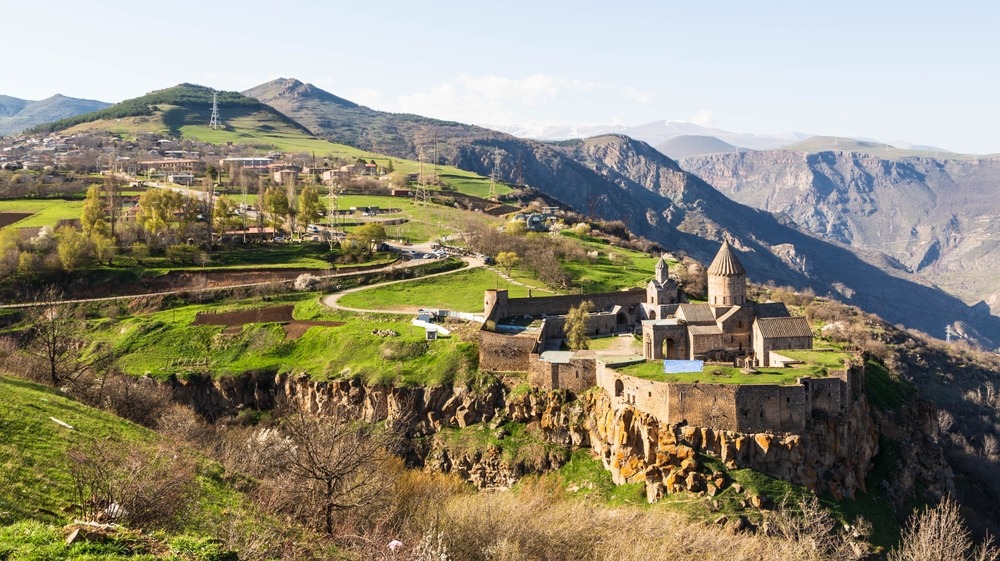
From the heights, pay attention to Ishak Pasha Palace. It is remarkable for its Ottoman architecture. On clear days, spot Yerevan. The mountain also holds historical and symbolic significance linked to biblical narratives, which adds depth to its presence in the region.
Where is Mount Ararat Located?
Mount Ararat stands at the far eastern edge of Turkey, close to the border with Iran and just kilometers from Armenia and the Azerbaijani exclave of Nakhchivan.
The massif rises above the Armenian highlands and represents Turkey's highest point. At the foot of its slopes, the Aras River winds to the north, creating a striking contrast between the surrounding plains and the mountain's heights.
Trekking Mount Ararat
Even the most seasoned hikers will find trails on Mount Ararat suited to their level. Discover varied landscapes, from open plateaus and river valleys to the snow-covered slopes of the summits.
Here are the trekking options to explore:
- Beginner routes: Take accessible trails that offer superb panoramas without excessive effort, perfect for starting your adventure.
- Intermediate climbing: Test your endurance on moderate itineraries, ideal if you already have some mountain hiking experience.
- Technical climbing: Rise to a real challenge on demanding routes, where your physical fitness and sometimes your equipment will be put to the test.
- High-altitude trekking: Progress toward the snowy zones at the summit and enjoy expansive views that reward every effort made.
- Exploration of local flora and fauna: Walk the plateaus and river valleys to observe the region's biodiversity and connect with Mount Ararat's natural environment.
Vary your routes according to your preferences and level and admire the diversity of landscapes as well as the richness of flora and fauna throughout your adventure.
Nature to Discover
Vegetation on Mount Ararat is sparse. Its concentrated green zones are magnificent. Explore the Ahora Gorge and spot isolated trees or small forests on Little Ararat. Cross the steppe and keep your eyes open for juniper, hornbeam, birches as well as clovers and alfalfa scattered across the landscape. Approach the rare watercourses to glimpse submerged dogwood.
Also observe the wildlife that inhabits the mountain. Look for mouflon and chamois on the slopes, watch for lynx, fox, or wolf in more remote areas. Look up and scan the sky to spot eagles, vultures, and falcons circling above the massif. Don't miss the rock partridge and grey partridge in the plains. Remember to glance at the rivers to see trout and carp up close.
Climate
In this region, the climate is felt from your first steps on the mountain's slopes. Winds from the Aras plain dry the lower elevations, making the area one of the driest in the region, with only 200 to 250 millimeters of precipitation annually. Snow settles permanently above 4,000 meters and melts on Little Ararat between late July and early October, depending on the year.
On the foothills of the Armenian highlands, temperatures are moderate: around 0°C in winter and 25°C in summer. At altitude, conditions become more severe. The summit of Greater Ararat experiences only 30 to 50 frost-free days per year. In January, temperatures can plummet to -30 or -40°C.
When to Climb Mount Ararat?
To enjoy trekking on Mount Ararat, plan your journey between mid-June and mid-September. July and August are the best months as weather is generally stable.
Important Information Before Climbing
- Obtain your climbing permit before any ascent attempt, as it is strictly mandatory. Plan ahead as this process can take several weeks.
- Be accompanied by an authorized guide. These professionals do more than show you the way. They ensure your safety and share their knowledge about the region's history and geography.
- Prepare yourself for a trek of approximately four days including essential acclimatization stages to cope with the altitude.
- Pack equipment suited to temperature variations, ranging from the heat of the Turkish plains to glacial conditions in the high mountains.
Want to discover this destination?
Our local advisors design your tailor-made trip.