Lori and Tavush
Green northern Armenia: wooded gorges of the Debed and Aghstev, monasteries from the 10th–13th centuries, beech forests of Tavush and villages at 1,500 meters.
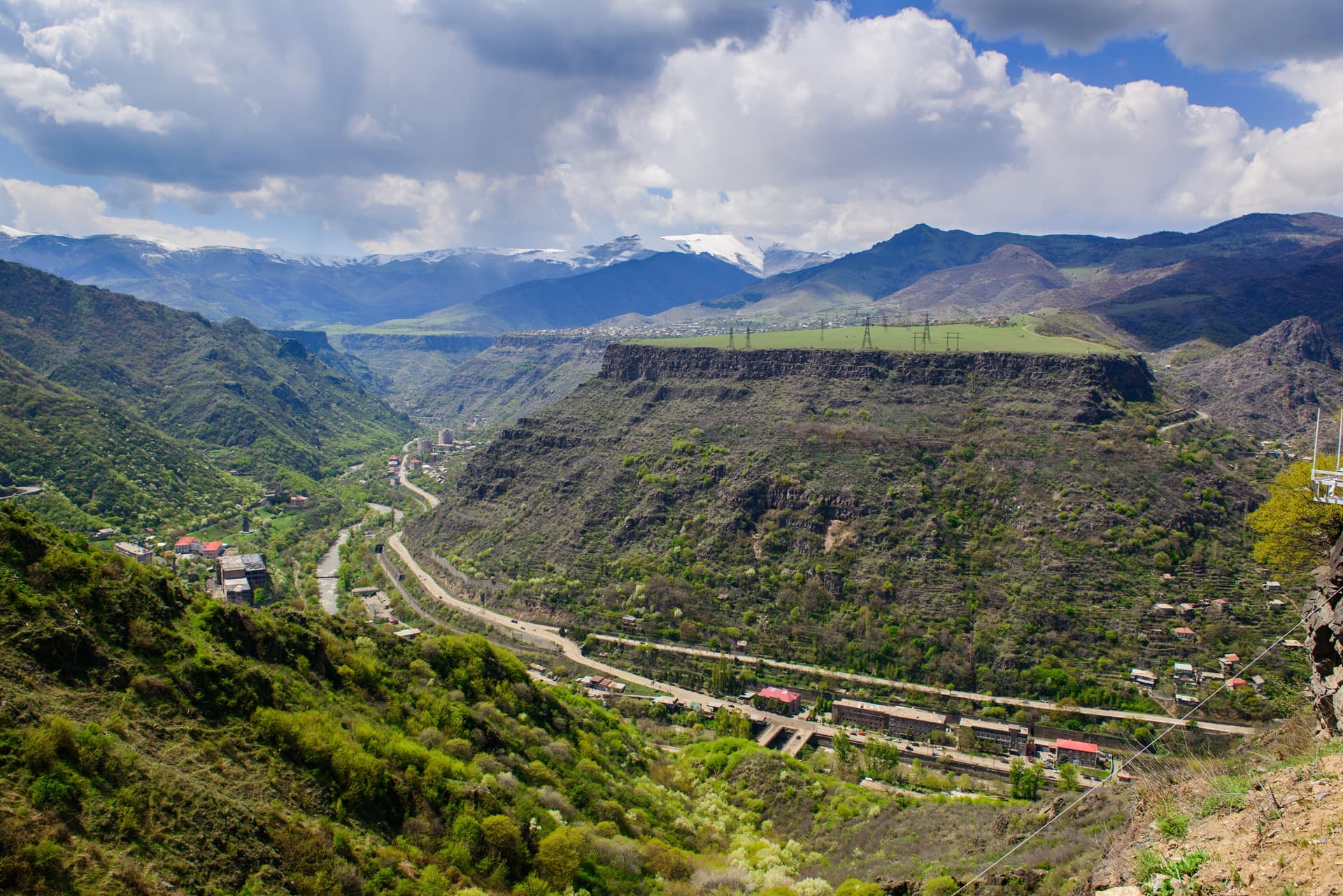
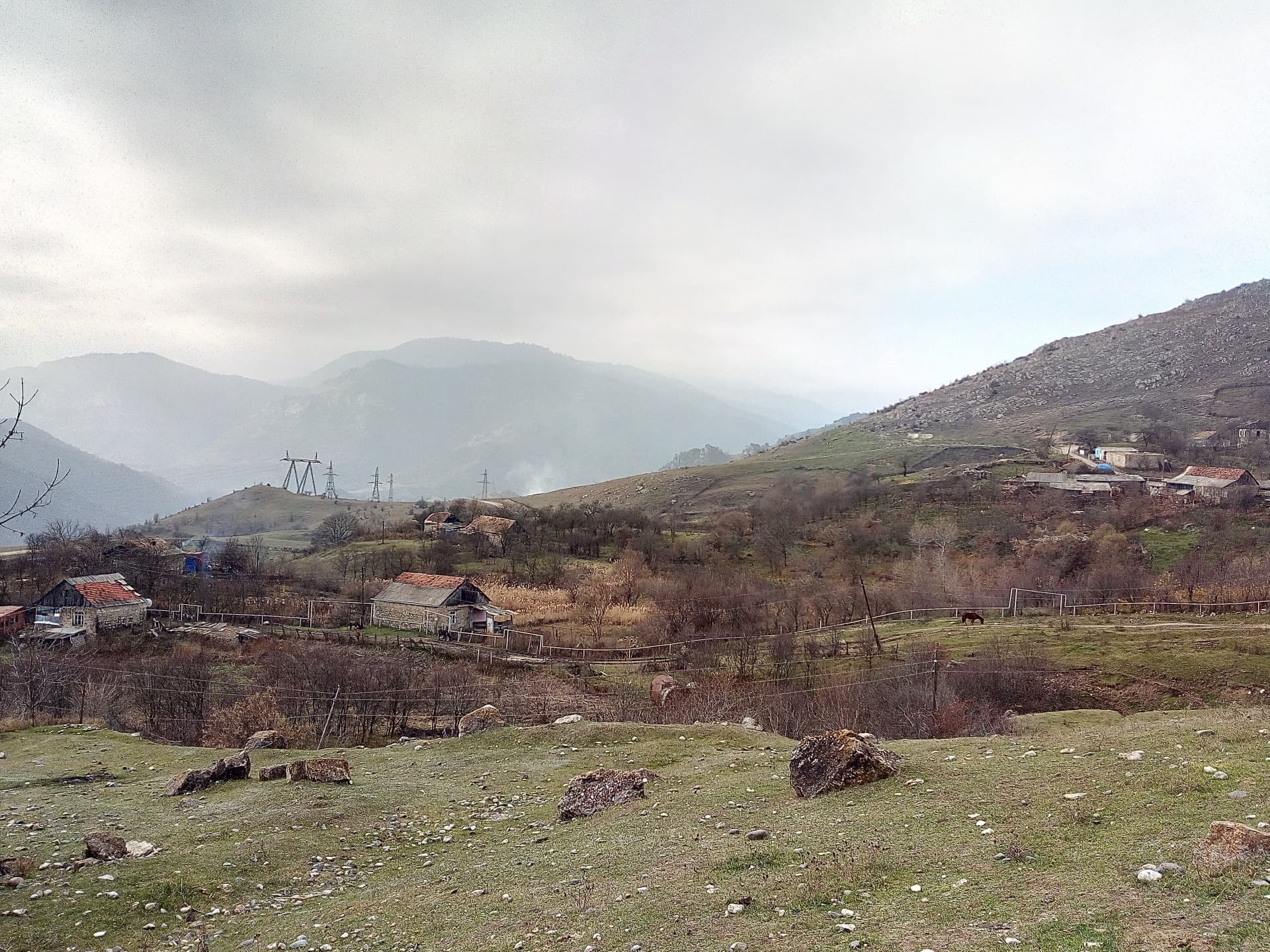
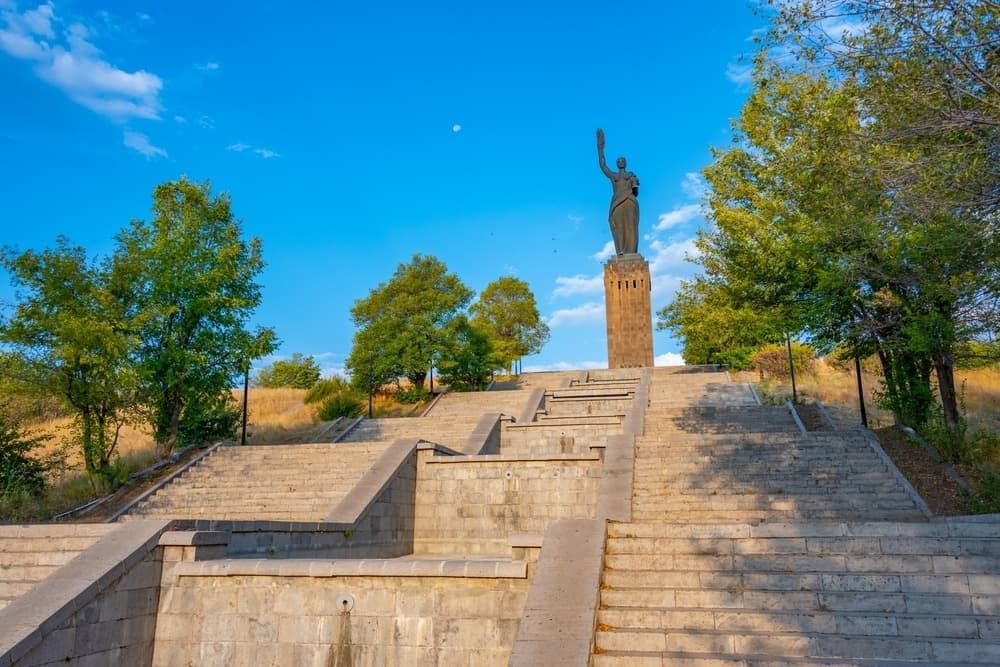
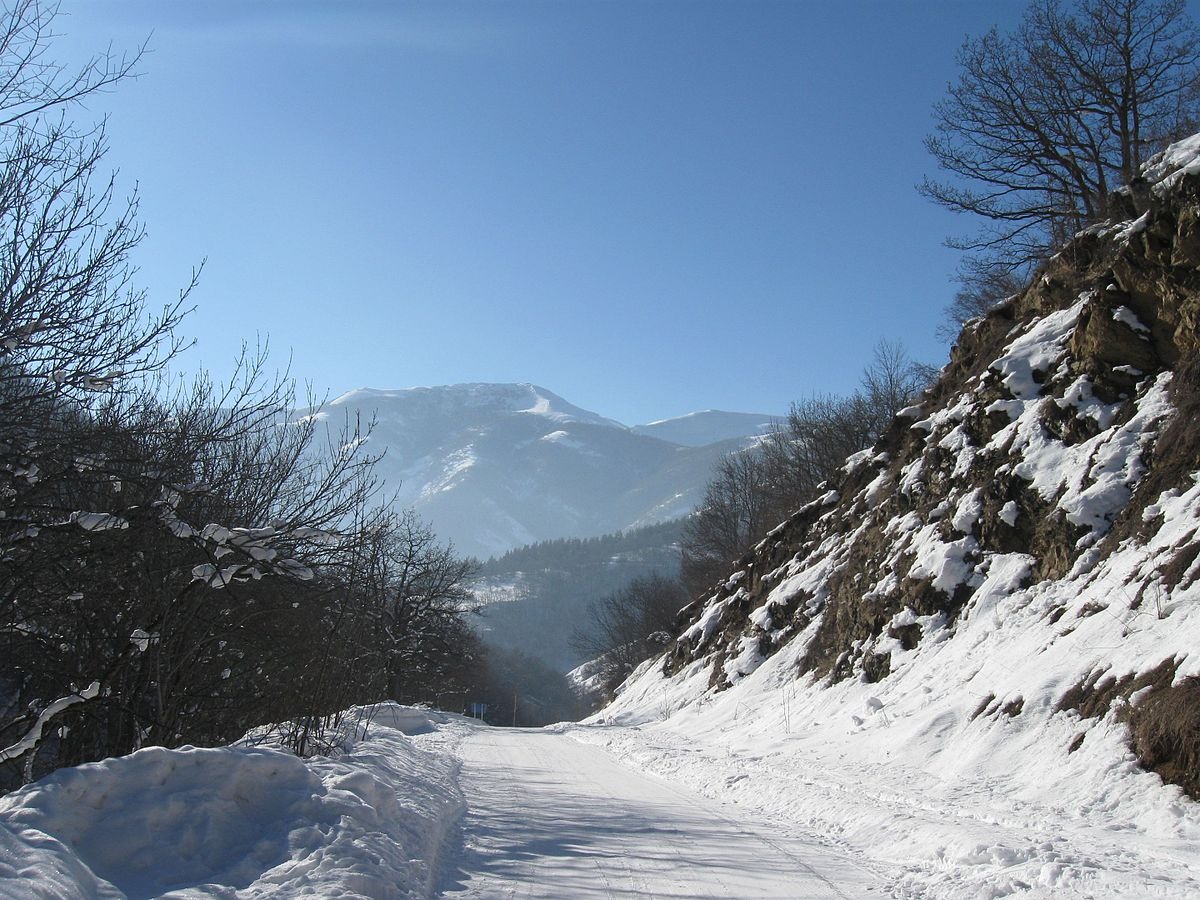
Lori and Tavush form the northern face of Armenia, between Georgia to the north and Lake Sevan to the southeast. Our team in Yerevan considers these two marzes the greenest part of the country: in four hours of driving, you pass from the Ararat steppes to the wooded gorges of the Debed and Aghstev, where hillsides vanish beneath beech, hornbeam and oak. Altitude ranges between 700 meters at the canyon floor and 2,000 meters on the ridges of Pambak and Mietsavor, which explains cool summers around 22 to 25°C and snowy winters where villages still heat with wood.
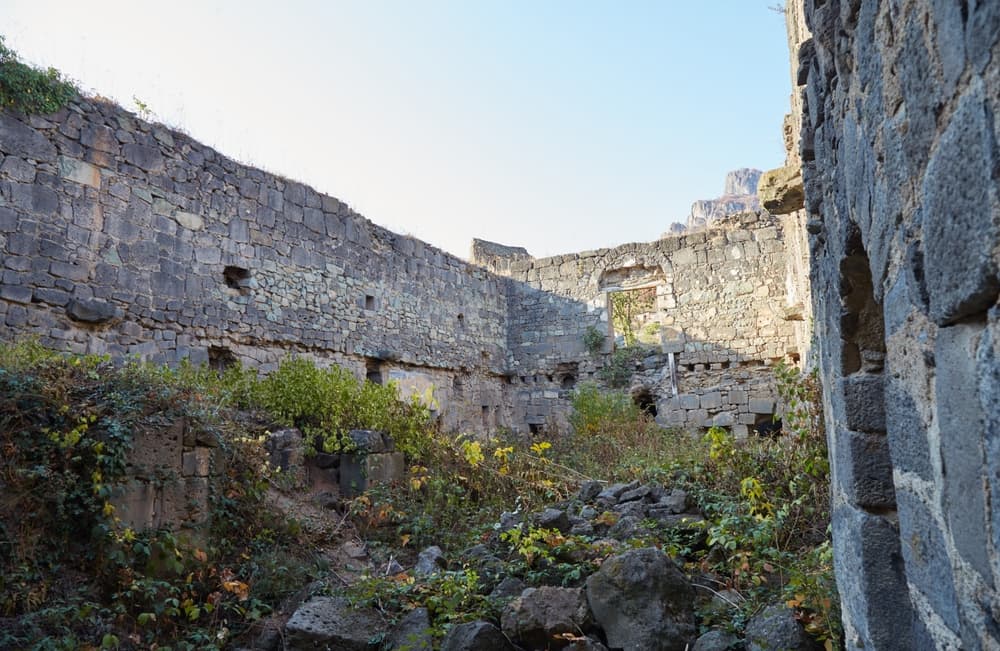
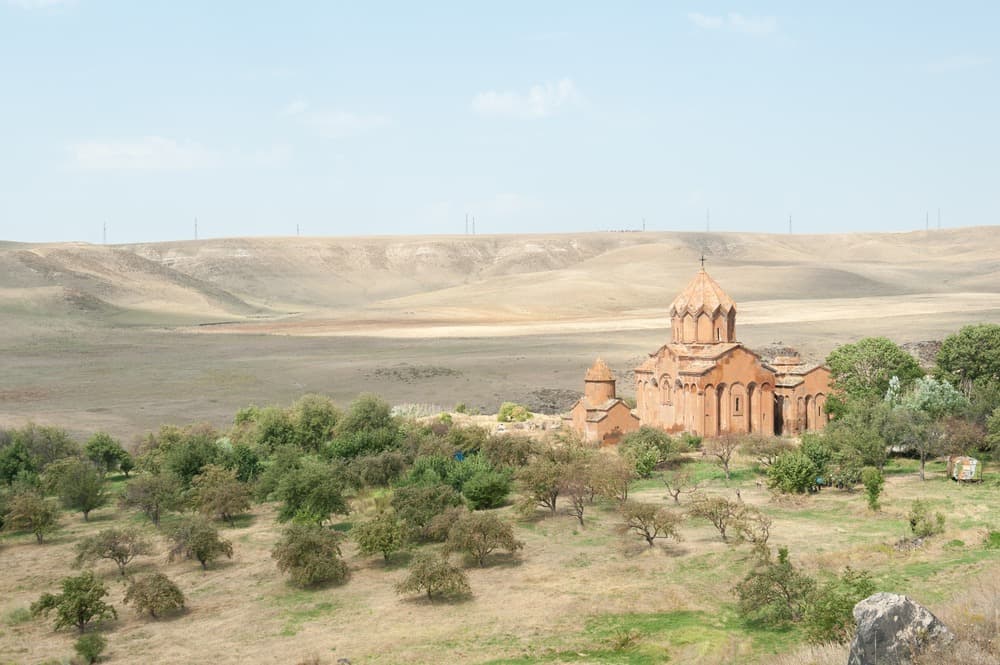
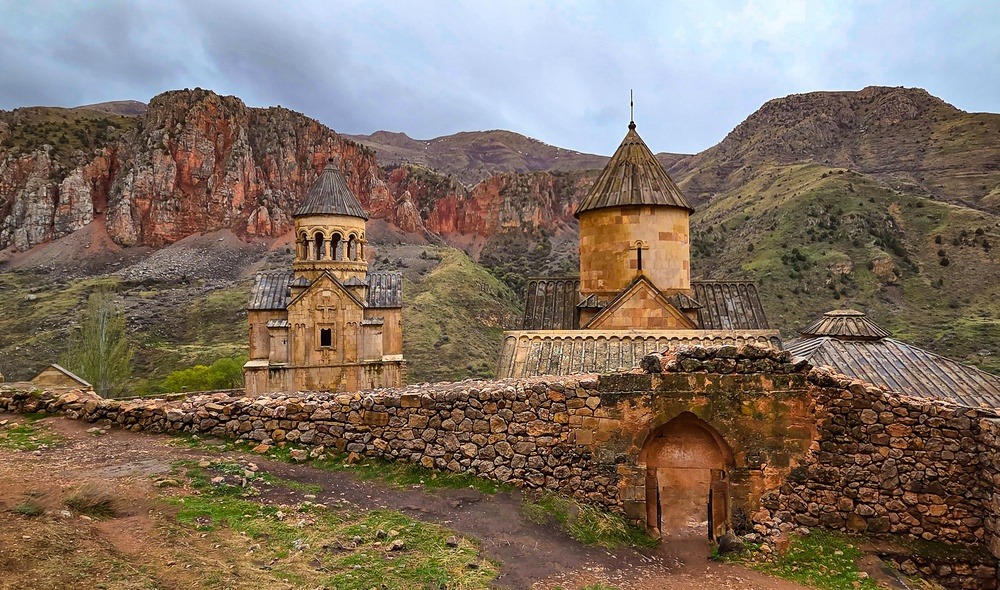
Lori, to the west, is marked by the Debed gorge, a 60-kilometer ravine carved into basalt. Two monasteries dominate the perched villages: Sanahin, founded in the 10th century, and Haghpat, slightly later, both inscribed as UNESCO World Heritage sites since 1996. They preserve their scriptoriums, their gavits and khachkars carved in the 13th century. Further south, Odzun lines its 6th-century basilica above the canyon, and Akhtala Monastery conserves rare Byzantine frescoes in the Caucasus. The town of Alaverdi, below, is a former Soviet copper mining center, still connected to Sanahin by a 1976 cable car that locals use daily.
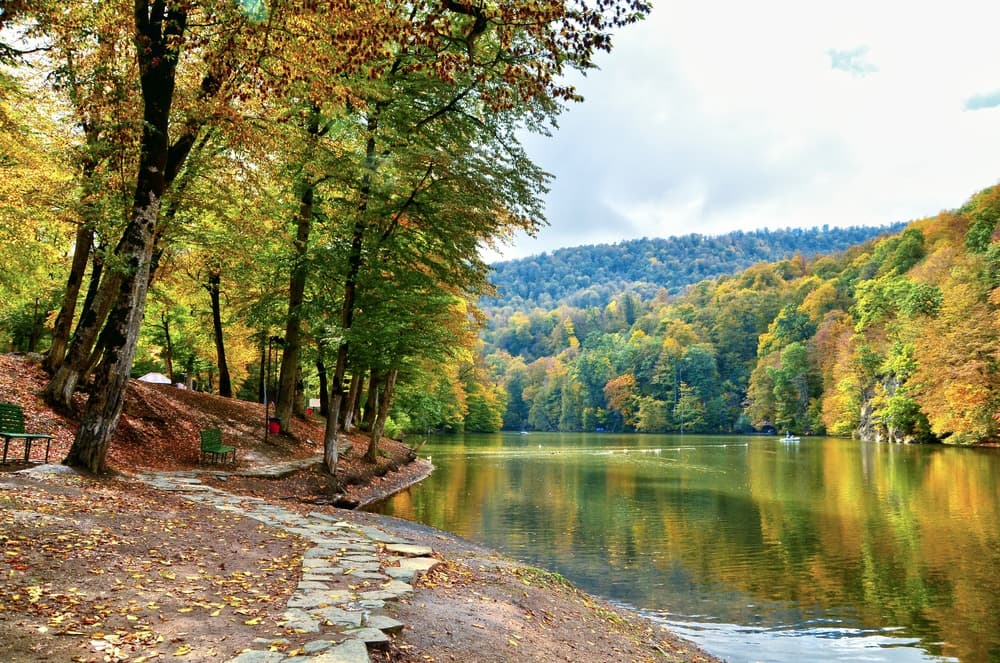
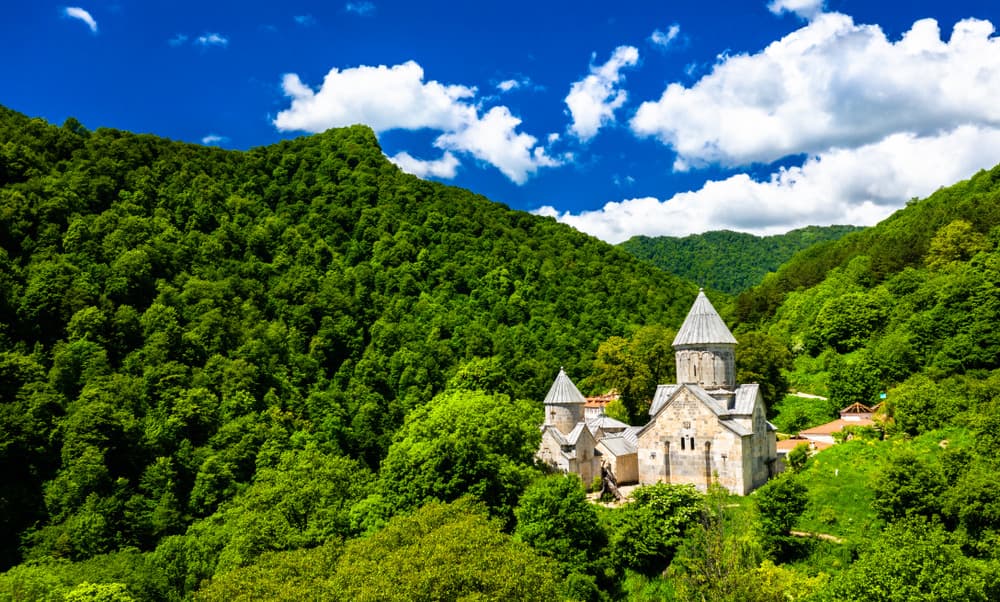
Tavush, to the east, shifts register. The valleys become more humid, more enclosed, and forest covers nearly half the territory. Dilijan, a spa town at 1,500 meters, serves as the gateway: its old Charambeyan Street has been restored with wooden-balconied houses, pottery and turning workshops. Around it, the monasteries of Haghartsin and Goshavank, from the 11th and 13th centuries, nestle in clearings reached in fifteen to thirty minutes' walk from the road. This is also where a marked section of the Transcaucasian Trail passes, which will eventually connect the Black Sea to the Caspian.
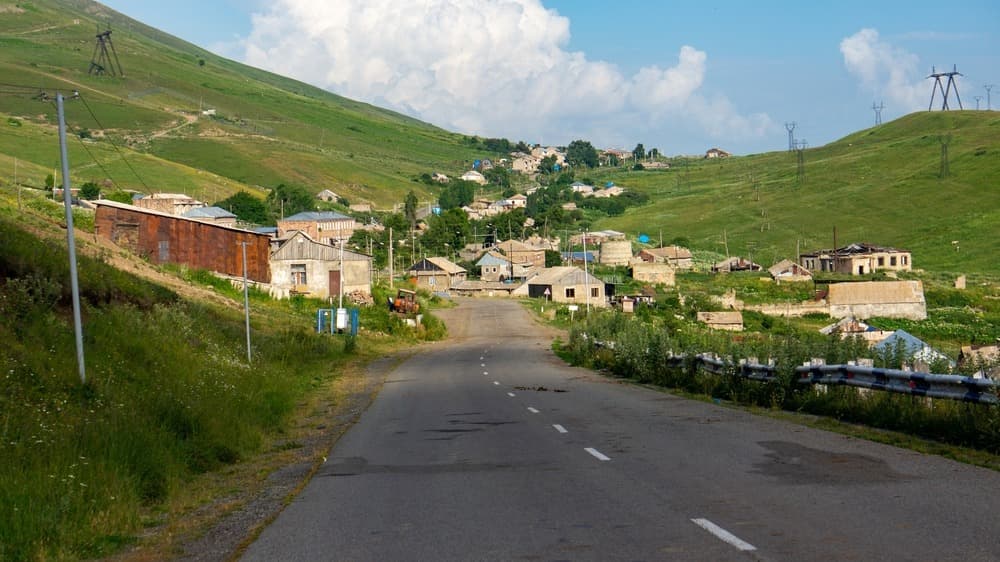
Life remains rural and forest-oriented. In Gosh, Haghartsin or Yenokavan, families live from beekeeping, mushroom and walnut gathering, cornelian cherries, and small livestock. We have worked for years with guesthouses that prepare ghapama, squash stuffed with rice, dried fruit and honey, jingalov hats filled with wild herbs, and lavash baked in the tonir, an underground oven. Wine from Berd, at the far east of Tavush, and mineral waters from Jermuk or Bjni appear on every table.
The region retains a border dimension worth knowing. Tavush borders Azerbaijan for nearly 350 kilometers, and certain villages like Chinari or Aygepar remain close to the contact line. The routes we take, toward Dilijan, Ijevan, Berd town or the Debed gorge, are safe and open year-round. Lori, meanwhile, is crossed by the M6 leading to the Bagratashen border post with Georgia, making it the natural entry point for travelers combining Tbilisi and Yerevan.
For us, Lori and Tavush are the green, monastic counterpart to the arid landscapes of the south. You come here for the density of medieval churches per kilometer, for hikes through woodland, for nights in local homes at 1,200 meters altitude, and to understand how rural Armenia functions today, between emerging tourism, migration to the capital and the return of young people settling in Dilijan around UWC, the international college that opened in 2014.
To discover
Haghpat and Sanahin from the Debed. Two monasteries from the 10th to 13th century perched 1,000 meters above the gorge, connected by a 10-kilometer ridge road. Allow a morning for each, with stops at the khachkars and Sanahin's scriptorium.
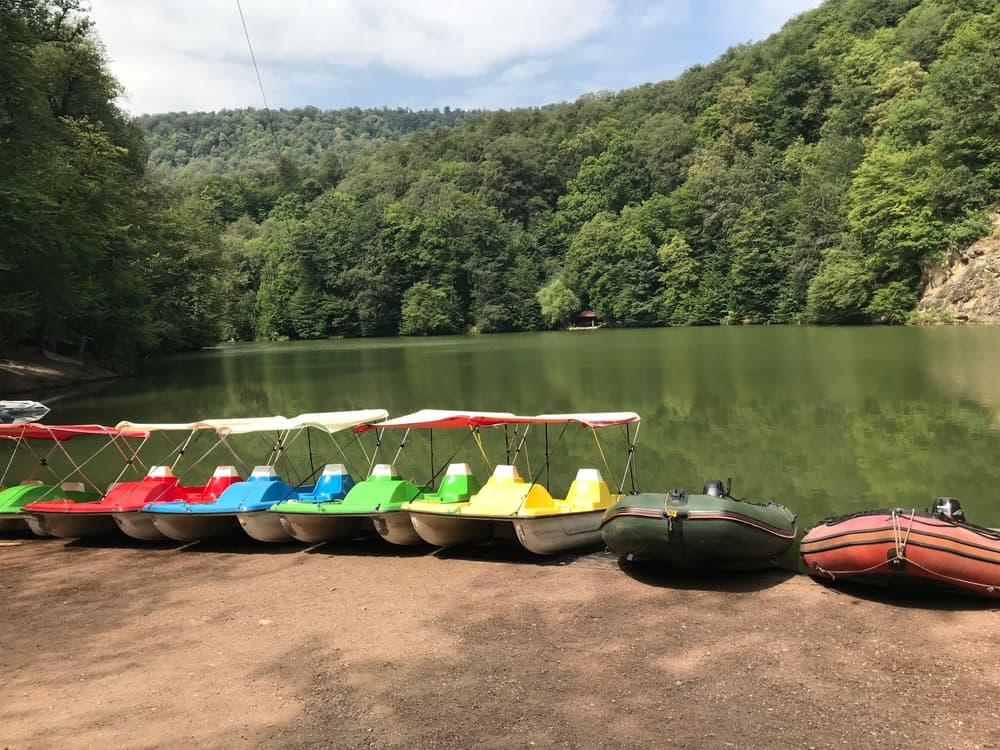
Hike to Goshavank and Gosh Lake. An 8-kilometer loop from Gosh village, through beech forest, to a small reservoir lake formed by a natural landslide. The 12th-century monastery houses the so-called Poghos khachkar, carved in 1291.
Yenokavan and the Aghstev gorge. Limestone cliffs above Ijevan, traversed by a via ferrata and a 2-kilometer zipline. This is also the departure point for Lastiver Cave, reached in two hours' walk, with wooden cabins for rent at night.
Evening with a local family at Haghartsin. Lavash bread baked in the tonir before the guest, ghapama shared at meal's end, cornelian cherry spirit distilled on the farm. Our hosts speak Russian and Armenian, sometimes English, and explain local beekeeping.
Alaverdi cable car. Soviet cabin from 1976 connecting the industrial town to the Sanahin plateau, 380 meters higher, in five minutes. Still used by schoolchildren and village retirees, it runs for about 100 drams.
When to visit
The best period for Lori and Tavush runs from mid-May to mid-October. May and June are the greenest months, with tall grass, flowering meadows and daytime temperatures of 18 to 22°C, but also regular showers, especially in Tavush which receives up to 700 mm of annual rainfall. July and August remain comfortable thanks to altitude: 22 to 25°C in Dilijan when Yerevan exceeds 35°C, making it a climate refuge prized by Armenians themselves. September and early October offer the clearest skies and autumn colors on the beech forests, a moment we recommend to photographers.
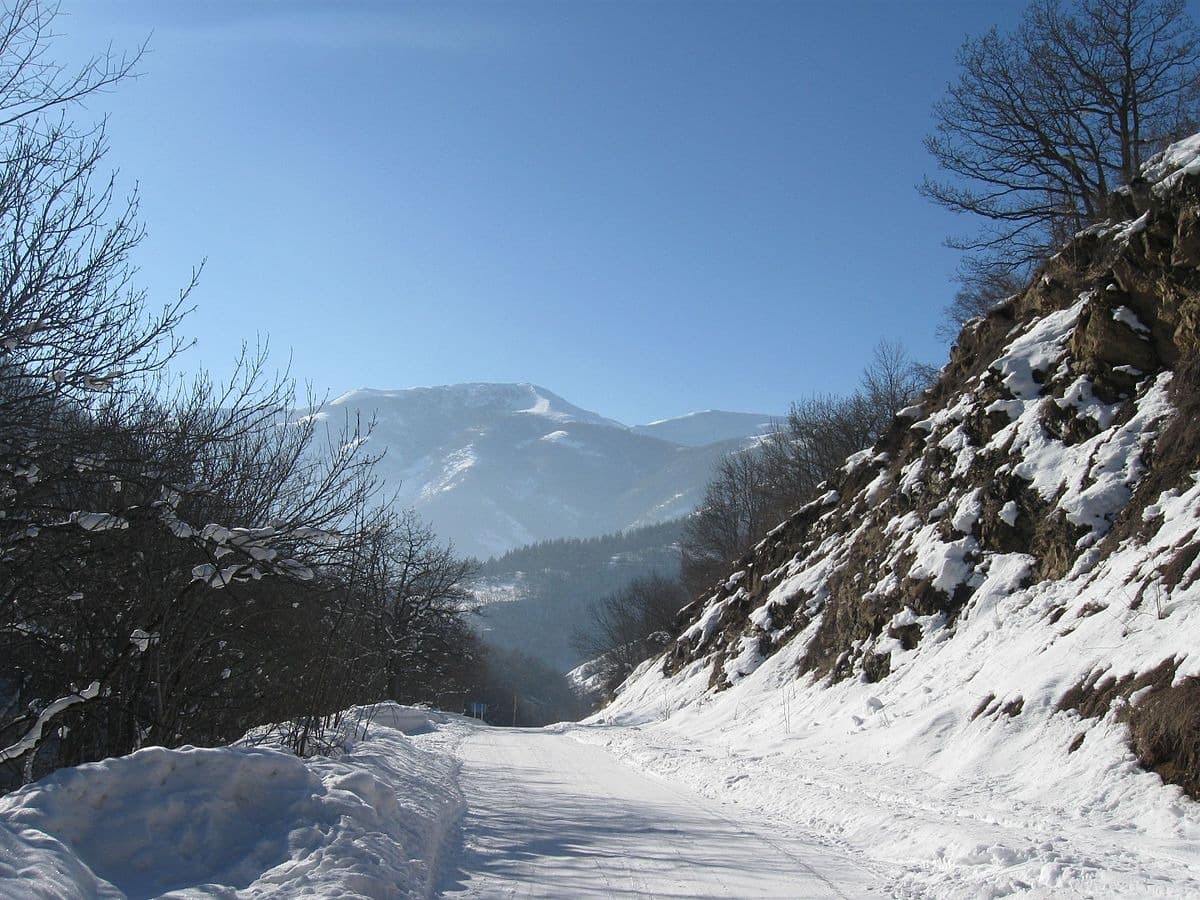
From mid-November to March, the region shifts into another rhythm. Nighttime temperatures drop to -5°C, snow blocks secondary tracks, and access to isolated monasteries like Kobayr or Horomayr becomes slippery. Main routes—Vanadzor-Dilijan-Ijevan and the Lori M6—remain clear, and a short winter stay remains possible if you accept shorter days. April is the season to avoid: thaw, persistent fog in the gorges and muddy trails that make hiking unpleasant.
Practical advice
We recommend devoting three to four full days to combining Lori and Tavush. Two days suffice for Lori based in Dsegh or Alaverdi, time enough to see Haghpat, Sanahin, Odzun and Akhtala. Two more days are essential in Tavush, from Dilijan, for Haghartsin, Goshavank, a hike and a night with a local family. The region lends itself to a linear route: entry from Georgia at the Bagratashen post, descent through the Debed gorge, crossing the Pambak pass at 2,100 meters, then Dilijan, before reaching Lake Sevan in an hour's drive. This is the itinerary we build most often for travelers combining Tbilisi and Yerevan.
Comfort is decent without being luxurious. Dilijan has two or three upscale hotels and well-maintained guesthouses; Lori relies mainly on family guesthouses at 40–60 euros per night with half board. The region suits trekkers, medieval architecture enthusiasts and contemplative travelers willing to walk between sites. Families will find something here thanks to Yenokavan activities and short distances between villages. For time-pressed travelers or those oriented toward grand mineral landscapes, we suggest favoring Vayots Dzor and Syunik to the south instead.